Reflections: Field Notes, Journal Entries, Essay, Poems, and Comments
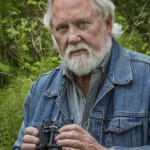
And here is what the scientists see
but cannot say:
How the dogwood blossoms glow
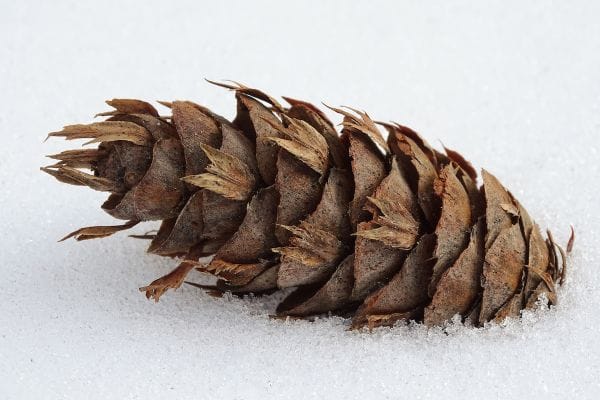
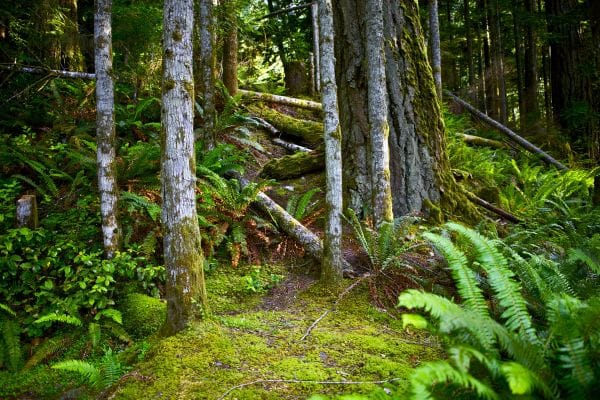
against the black wet trunks of Douglas-fir;
how the skin of yew runs red in the rain, the bark
of young vine maple green as the skin of anoles
in a hot southern wood.
The way yellow evergreen violets erupt
from the green magma of moss, and trilliums, pinking
out, paste their petals against the waxy leather of salal.
The manner in which Douglas squirrels inscribe
the snow, and where they leave their middens.
Cascara’s small tongues lapping
the drip as chorus frogs and winter wrens sound
the walls and depths of Lookout Creek. Pipsissewa
and bunchberry catching all the windthrow
that winter can bring. All these things
may have adaptive value, for all we know. Could generate
data, yield understanding, render the answers
that poets may dream but cannot write.
As last year’s bracken rots beneath the new sword ferns
and varied thrushes whistle through spit
I have faith
that somebody, somewhere, surely knows
what to make of all this.
Read more from Pyle’s “Reflections” here.