Field Notes I

Monday, May 26 – A Return to the Woods
Evening is falling as I sit at the edge of a clearing high above the headquarters of the H. J. Andrews Experimental Forest, a Forest Service research area east of Eugene, Oregon in the lovely McKenzie River country. I’m back in the woods of my youth, looking out over a densely forested valley much like those I used to wander through elsewhere in the surrounding Willamette National Forest.
Today I drove across half of the state after camping in the Blue Mountains east of John Day. I gassed up in Sisters, crawled out of town behind a pack of bicyclists, stopped for an hour at Santiam Pass to walk among the burned snags of a forest I once skied and hiked in, then descended into the lush greenery of the upper McKenzie. I’m spending a week as a visiting writer at the Andrews Forest, as it’s known to the scientists who conduct ecological and watershed research in the drainage of Lookout Creek. This is a homecoming of sorts; forty years ago this summer I left Eugene to begin graduate studies in Montana. I returned often for family visits, but I lost touch with the forests that helped shape my youth.
I’d visited the Andrews Forest only once before, on a field trip with one of its principal researchers, with whom I coincidentally share a name. In the fall of 1973 Dr. Frederick J. Swanson, then a postdoc in the geology department at the University of Oregon, taught a course on geomorphology which I took as an undergraduate. The purpose was examine landscape processes at work, including the troublesome tendency of some logging roads to slip off their steep sidehills and end up in the creek. “Mass wasting,” it was called, and it was a major research focus at the time, for the agency faced mounting criticism for its road-building and logging practices.
Fred went on to became a leading researcher in forest ecology, specializing in landscape disturbance processes and their effect on forest succession. His and his colleagues’ work contributed to the improved management practices in use today on the national forests of the Pacific Northwest. Until his recent retirement, he was a member of the Forest Service’s research branch in Corvallis, and he maintains close ties with the Andrews Forest. Last year he gave a talk on its ongoing research program in Salt Lake City, where I now live, and I was pleased to renew our acquaintance.
In his talk Fred mentioned a related program, co-sponsored by the Forest Service and Oregon State University, which brings writers and others involved in the humanities to this little outpost in the woods. The chance to revisit the west-side Douglas fir forest intrigued me, and I applied for and received a one-week writing residency. So here I am with a unique opportunity to re-examine this interesting and evocative forest region. Tomorrow Fred will give me a brief introduction to a place that helped change the socio-political landscape of the Pacific Northwest. My hope is to see firsthand a small part of the land and biota which I’ve read about in reports and articles over the past few decades. I want to get a sense of how the forest in the upper McKenzie has changed, both in its physical appearance and its place in the social and economic order. I also want to see if I’ve changed. I’m no longer the hopeful, energetic youth that once sought adventure in these mountains, but maybe the images I’ve kept in my mind all those years still have some truth to them.
After unpacking my belongings at the apartment where I will stay, I walk up the logging road in back of the station, which climbs steadily up a steep, east-facing hillside. I try to push back the memories that flood in. I’ve walked up many a logging road before on the Willamette, sometimes appalled at what has been done here in the name of forestry, but this time I hope to see these woods with as few preconceptions as possible. That’s one of the luxuries afforded a visitor who is tasked with nothing more than keeping his eyes open, assimilating a little of the research that has been done here, and making whatever written contribution he can. From my notes taken that evening:
“Initially the road traverses a thick stand of fairly young Douglas fir, mostly about 12 to 14 inches in diameter, but there are big old stumps scattered about, five feet or so above the ground, reminiscent of the old practice of falling trees with a springboard. How long ago would this logging have been done? The reproduction here looks perhaps fifty years old.
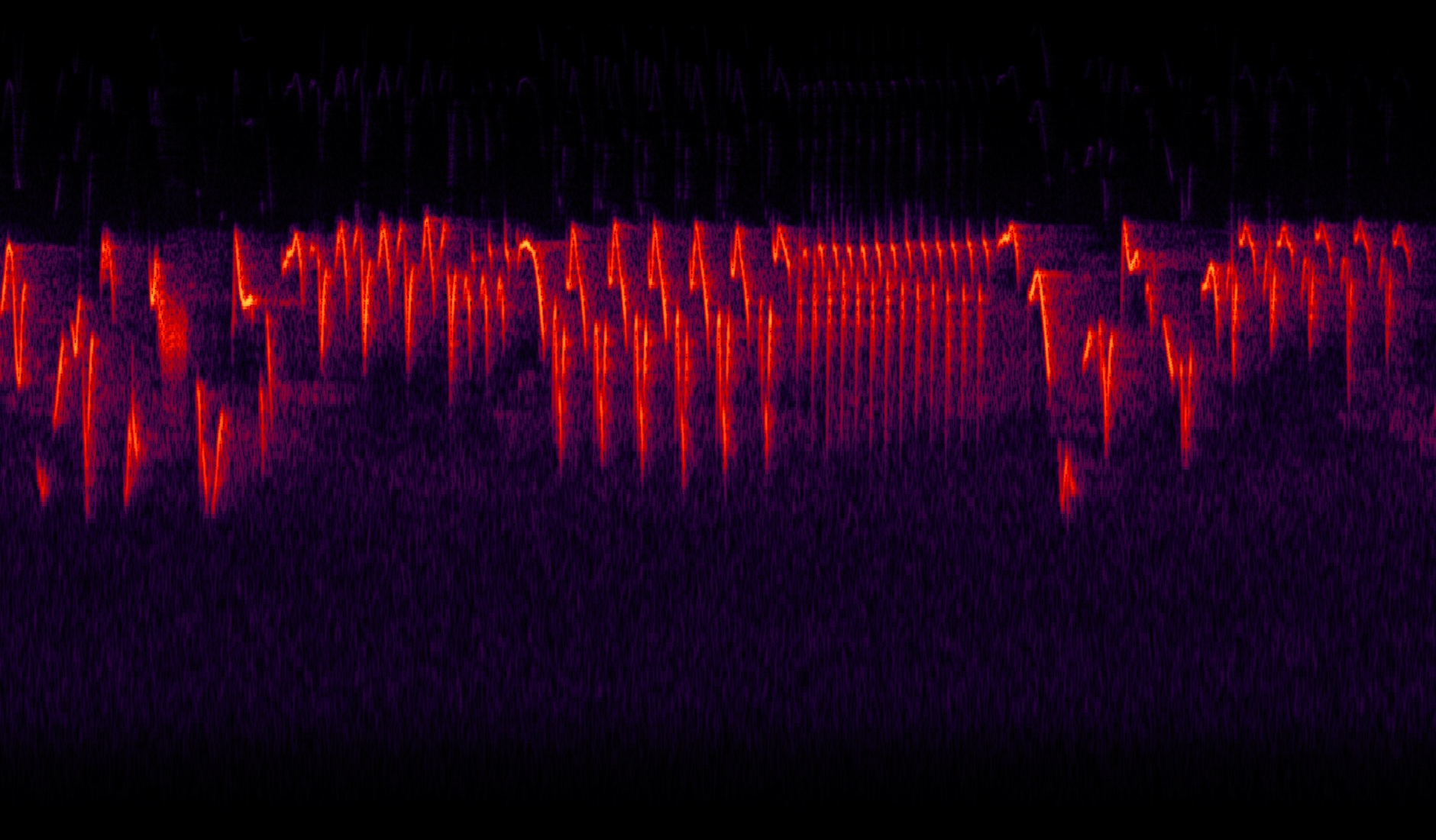
“Song of winter wren – there’s nothing like a remembered sound to carry one back to time spent in forests like this.
“After about 50 minutes of walking, I top out on a ridge between Lookout Creek and Blue River. Steep slope down to the latter, with trees marked for cutting. Is this something experimental, or are they still cutting on such slopes? The Blue River drainage appears well forested, but in my day it was undergoing heavy logging. Regrowth happens fast here, unlike in Utah.
“I stop to rest at a clearing beneath a rock face, which recently disgorged a 5-foot tall boulder onto the road. View east-southeast into Lookout Creek – mostly old trees with many snags interspersed among them, but also some small clearcuts. There must be logging roads hidden among those trees. Healthy looking reproduction in the patch cuts (“healthy” is a loaded word when it comes to forests these days).
“Close at hand, the setting sun illuminates the youngish firs by the roadside. Their yellow-green needles are lit up as they photosynthesize madly. Soft, almost silky in appearance, they contrast to the ragged, massive stems visible across the valley. Walking among the remnant old trees and snags on the way up here, I’m still amazed at their sheer towering height.”
Continue reading Swanson’s “Field Notes I.“