Log from a Stay at H.J. Andrews Experimental Forest

Monday, 20 October:
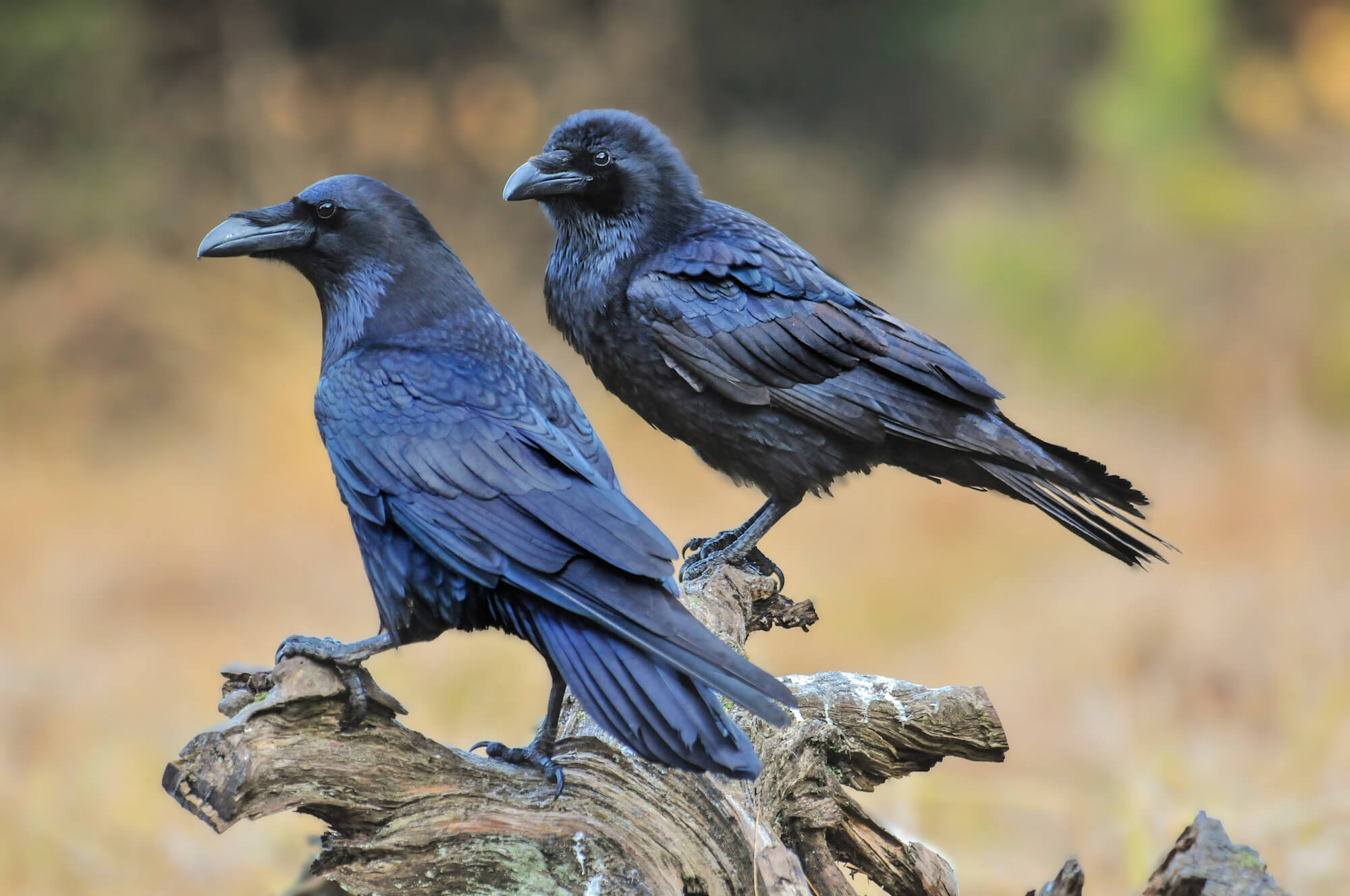
After midnight, winding through fog along a road flanked by the looming presence of trees, I find my way to the headquarters of the H. J. Andrews Experimental Forest. I park in front of a building called Rainbow, where I am to claim the middle of three apartments. The visitors here are usually scientists. But I am a writer, offering another way of knowing. As I unload the rental car, a raven grumbles at me from a nearby roost, like any sleeper irked at being wakened. So I arrive from Indiana for a week-long stay in this Oregon watershed, to add my mite of observations and reflections to a record that’s designed to extend over centuries.
*
Between 8:00 a.m. and 1:00 p.m., Fred Swanson takes me on a brisk tour of the Andrews, partly by car, partly on foot, all in the rain. Although he claims to be a couple of years deeper into the seventh decade of life than I am, Fred neither looks nor acts his age: tall, lean, agile, with a full beard and a full head of hair, quick of mind and body, and with youthful enthusiasm about this forest and its creatures. He is officially billed as a research geologist with the Forest Service’s Pacific Northwest Research Station, but his knowledge spans the sciences. No matter how many questions I ask—and I ask hundreds—he never runs short of answers, about everything from the volcanic bedrock to the nitrogen-fixing lichens. How grand it would be to know any place as well as Fred Swanson knows this one.
He tells me that writers’ responses will be added to the “data stream” about the Andrews Forest, along with measurements from instruments and reports from scientists. This may be our most distinctive trait as a species, that we generate a continuous “data stream,” not just here but everywhere, and not just writers or scientists but everyone, as we take in some portion of the world, reflect on what we have perceived, and give back our responses in words or numbers or paint or song or some other medium. We may be hairless, clawless, and slow of foot, but we are masters at wielding symbols.
*
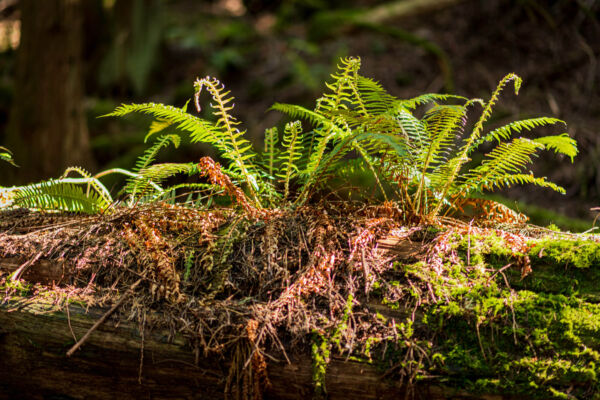
During the afternoon, chilled, jetlagged, I sit before the picture window in my comfortable digs, making notes from all that I can remember of the morning’s outing, looking up occasionally to watch a doe and two fawns graze on the headquarters lawn. Water drips from the metal roofs. The Douglas-firs and redcedars and hemlocks on the facing slope vanish and reappear and vanish again as mist drifts through the valley. The annual precipitation here at the lower elevations (1,400 feet) is about 90 inches, twice what we receive back in my home region of southern Indiana, while the upper elevations (5,000+ along the rim of this watershed) receive about 120 inches. Whenever I return to truly wet country, I rejoice.
Continue reading Sanders’ “Log from a Stay at the H.J. Andrews Experimental Forest.”